
Vintage, Retro and Antique Lighting: the Difference and How to Choose
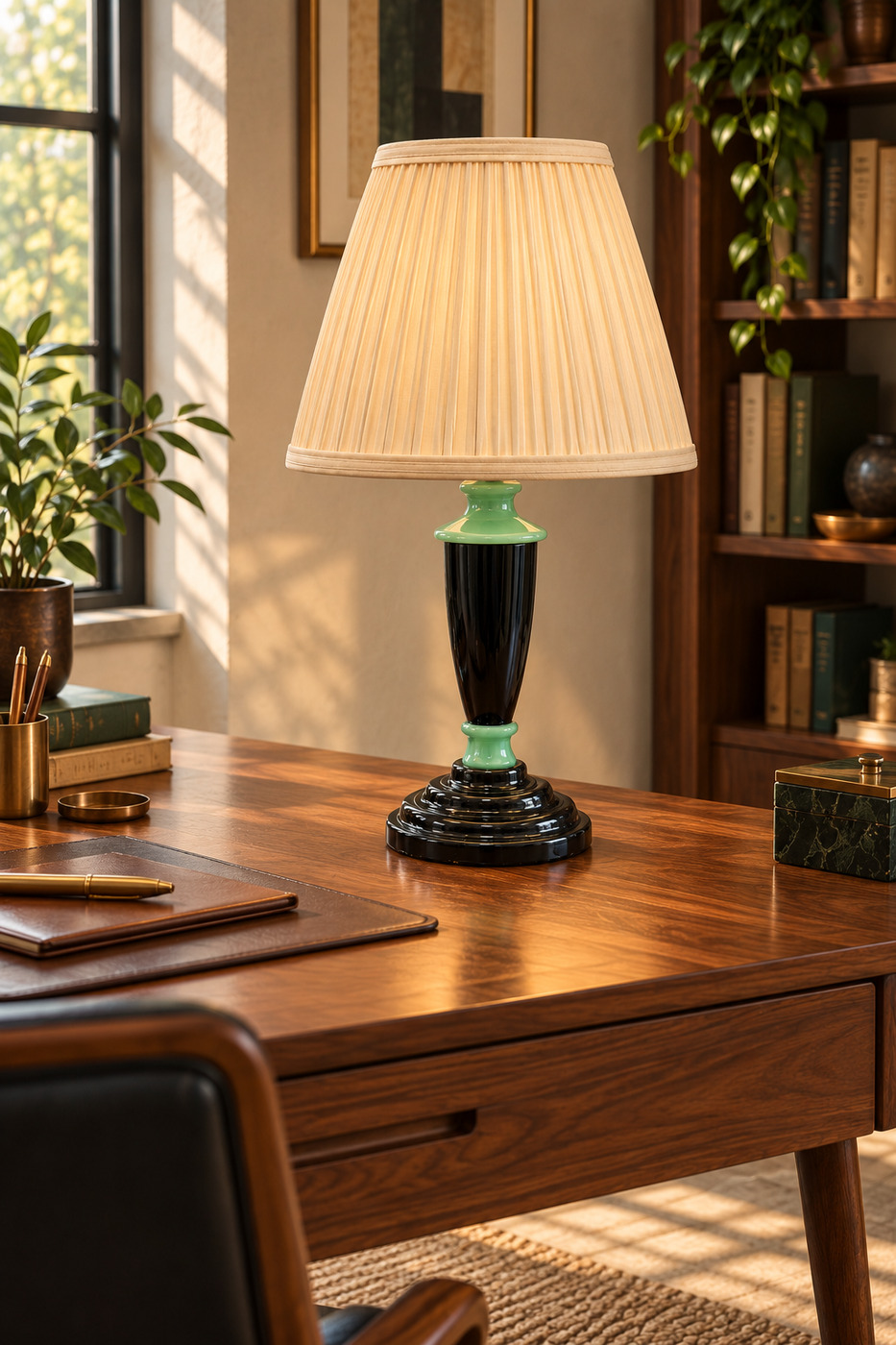
"Antique", "vintage" and "retro" are often used as if they mean the same thing, but they describe different things. The difference matters when choosing a lamp, because it affects the style, the materials and sometimes the price.
The three terms
- Antique: lamps around a hundred years old or more, from Art Nouveau, Art Deco and earlier. Cast brass and bronze, hand-blown glass, sometimes an artist's signature.
- Vintage: original pieces from more recent decades, roughly the 1940s to the 1980s, such as mid-century floor lamps with coloured cones.
- Retro: new design imitating an old style. It looks old, but the piece is new.
Styles worth knowing
Art Nouveau (about 1890 to 1910): flowing lines, flowers, female figures and cameo glass. Art Deco (1920s and 1930s): geometric forms, milk glass, polished brass. Mid-century (1950s and 1960s): painted metal, cones, slim arms and bold colours.
How to recognise an original
- Weight: cast brass and bronze are much heavier than thin modern metal.
- Signs of age: natural patina and gentle wear where hands touched it for years.
- Glass: small bubbles and slight irregularity indicate hand-blown glass.
- Signature: some shades carry an artist's or workshop's signature. Even a signature does not always prove origin, so it is worth asking.
Want to know which period a lamp is from? Send us a photo
Chat on WhatsApp